

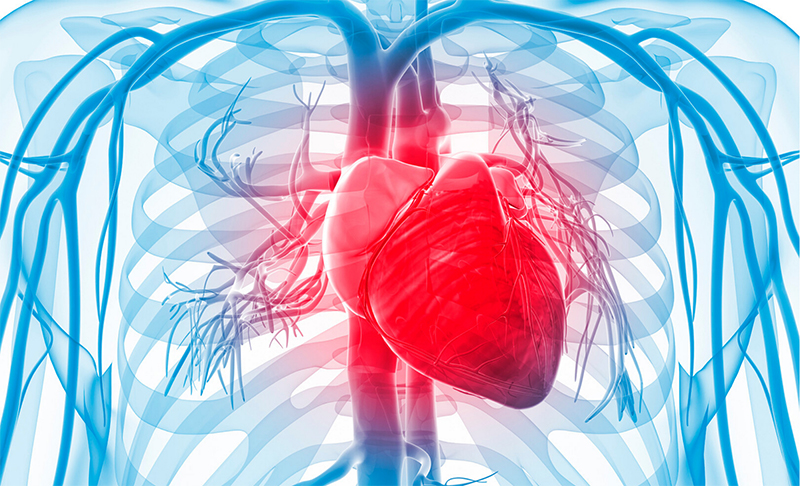
What is cardiology?
Cardiology is the branch of medicine that looks after the heart and the blood vessels that carry blood through the body. Cardiologists diagnose and treat conditions such as blocked arteries, high blood pressure, irregular heartbeat, heart failure and valve disease, and help people lower their risk of future problems.
Services
A full cardiac service usually covers the following.
Heart check-ups and screening
Blood pressure, blood sugar, cholesterol and ECG assessment to estimate your risk and plan prevention.
Prevention
Non-invasive tests
ECG, echocardiography, treadmill stress test, Holter monitoring and CT coronary calcium scoring show how the heart works without any cut.
Diagnosis
Coronary angiography
Dye and X-ray show blockages in the heart arteries, usually through a small puncture in the wrist.
Diagnosis
Angioplasty and stenting
A balloon opens the blocked artery and a stent keeps it open, restoring blood flow to the heart muscle.
Procedure
Pacemakers and rhythm care
Pacemakers, ICDs and ablation treat slow, fast or irregular heartbeats.
Heart rhythm
Bypass and valve surgery
Surgeons reroute blood around blocked arteries or repair and replace damaged valves when needed.
Surgery
Heart failure and rehabilitation
Medicines, monitoring, diet and supervised exercise help the heart work better and keep people out of hospital.
Long-term care
Warning signs
Do not wait if you notice any of these. Chest pain with sweating, pain spreading to the arm or jaw, or sudden breathlessness needs emergency care straight away.
Get checked soon
- Chest pressure or tightness on walking
- Breathlessness on mild effort
- Palpitations or a racing heartbeat
- Swelling in the feet or ankles
Higher risk if you have
- High blood pressure or diabetes
- High cholesterol
- Smoking or tobacco use
- Family history of heart disease
What happens at a visit
- Talk
The doctor asks about symptoms, medicines, habits and family history.
- Examine
Blood pressure, pulse and heart sounds are checked, often with an ECG.
- Test
Echo, stress test or angiography are advised only if they are needed.
- Plan
You get a clear plan: medicines, lifestyle changes or a procedure.
Common heart tests
| Test | What it shows | Cut or needle? |
|---|---|---|
| ECG | Heart rhythm and electrical activity | No |
| Echocardiography | Pumping strength and valves, using sound waves | No |
| Stress test (TMT) | How the heart behaves during exercise | No |
| CT coronary angiography | Artery blockages through a CT scan with dye | Small needle for dye |
| Coronary angiography | Exact location and severity of blockages | Small puncture |
Common questions
When should I see a cardiologist?
For chest discomfort, breathlessness, palpitations, fainting or swollen feet, or if you have high blood pressure, diabetes, high cholesterol or a family history of heart disease.
Is angiography painful?
The wrist or groin is numbed, so most people feel only mild pressure. Many go home the same day or the next.
Can heart disease be prevented?
Many risks can be reduced with healthy habits and by keeping blood pressure, sugar and cholesterol under control.
What is the difference between a heart attack and cardiac arrest?
A heart attack is a blocked artery that starves part of the heart of blood. Cardiac arrest is when the heart suddenly stops pumping effectively. Both are emergencies.
For information only. This page is a general overview and not medical advice. Speak with a qualified doctor about your own condition.

