

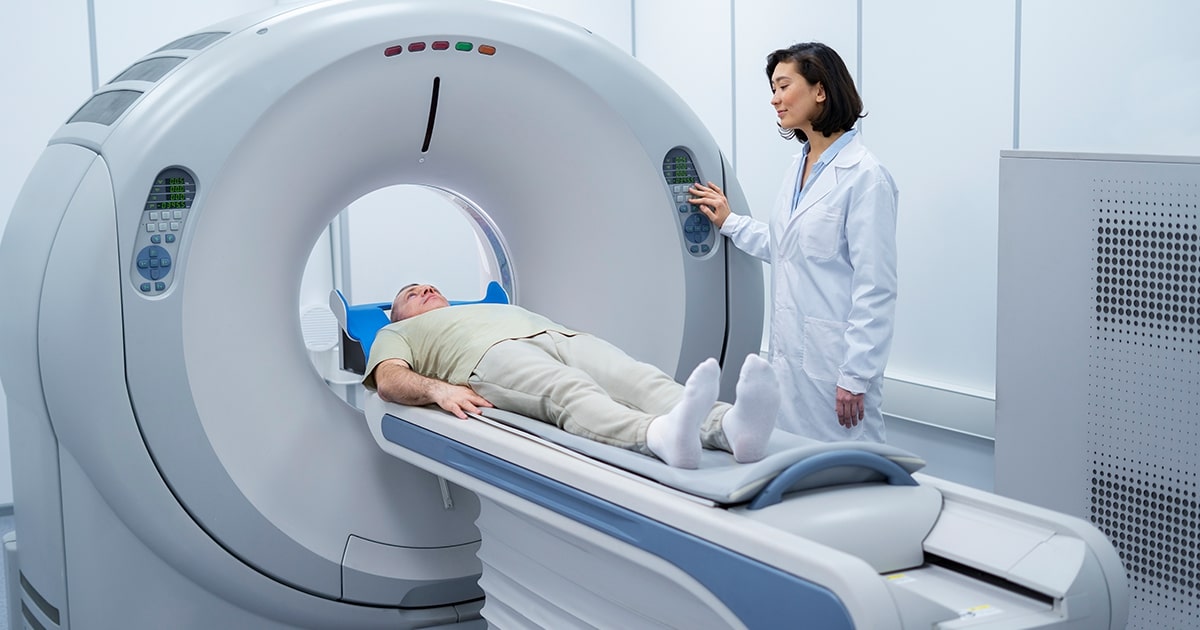
What is it?
Interventional radiology (IR) is a medical speciality in which doctors use imaging to see inside the body while they treat it. Instead of opening the area, they pass thin tubes called catheters, or fine needles, through a small skin puncture to reach the problem directly. IR doctors are radiologists with extra training in these image-guided procedures.
Common procedures
IR covers many conditions across the body. Some of the most frequent:
Angioplasty and stenting
A tiny balloon opens a narrowed artery, and a stent can keep it open. Used for blocked leg, kidney and neck arteries.
Blood vessels
Embolization
Particles or coils block the blood supply to a bleeding vessel, a fibroid or a tumour.
Bleeding, fibroids, tumours
Tumour ablation and chemoembolization
Heat, cold or targeted drug delivery destroys a tumour while sparing healthy tissue, commonly in liver, kidney and lung.
Cancer care
Needle biopsy and drainage
A small tissue sample is taken for diagnosis, or a tube drains an abscess or blocked bile duct and kidney.
Diagnosis and relief
Vein treatments
Varicose veins, deep vein thrombosis and IVC filter placement.
Venous disease
Vertebroplasty
Medical cement is injected into a fractured spine bone to relieve pain and stabilise it.
Spine
How a procedure goes
- Prepare
You fast for a few hours, and tests such as blood work and scans are reviewed.
- Numb
The skin is numbed. Most people also get mild sedation and stay comfortable.
- Treat
A catheter or needle is guided to the target under imaging and the treatment is delivered.
- Recover
The site is closed with pressure or a small dressing. You rest, then go home the same or next day.
IR compared with open surgery
| Interventional radiology | Open surgery | |
|---|---|---|
| Incision | Puncture of a few millimetres | Larger cut |
| Anaesthesia | Usually local with sedation | Often general |
| Hospital stay | Same day to one or two days | Several days |
| Recovery | Days | Weeks |
| Best for | Targeted problems in vessels, organs and tumours | Cases needing direct repair or removal |
Benefits
- Less pain and scarring
- Lower risk than many open operations
- Quicker recovery
- Often an option when surgery is too risky
Possible risks
- Bruising or bleeding at the puncture site
- Reaction to contrast dye
- Infection or vessel injury, rarely
- Radiation exposure from X-ray, kept as low as possible
Common questions
Is it painful?
The skin is numbed, and sedation keeps most people relaxed. You may feel pressure, and some procedures cause short-lived soreness afterwards.
Who performs it?
An interventional radiologist, a doctor trained in both imaging and minimally invasive treatment, working with nurses and technologists.
How long will I stay in hospital?
Many procedures are day-care. Larger ones may need one or two nights. Your doctor will tell you what to expect for your case.
What should I tell my doctor beforehand?
Mention allergies (especially to contrast dye), kidney problems, pregnancy, and all medicines, particularly blood thinners and diabetes tablets.
For information only. This page is a general overview and not medical advice. Speak with a qualified doctor about your own condition.

