

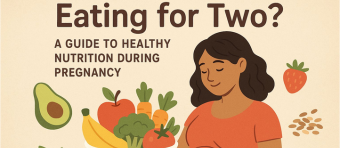

The phrase “eating for two” often makes pregnant women think they need to double their food intake. Pregnant women actually need only about 300 extra calories per day during the second and third trimesters, not twice as much food. This common myth can lead to unhealthy weight gain and complications during pregnancy.
Good nutrition during pregnancy focuses on quality over quantity. The body becomes more efficient at absorbing nutrients, so eating a balanced and nutritious diet during pregnancy helps support both the mom’s and baby’s health. The right foods provide essential vitamins and minerals that growing babies need for proper development.
Understanding what the body truly needs during pregnancy takes the guesswork out of meal planning. From folic acid for neural tube development to iron for blood production, each nutrient plays a specific role. This guide breaks down the science into simple, practical advice that busy expectant mothers can easily follow.
Key Takeaways
- Pregnant women need only about 300 extra calories daily, not double their normal food intake.
- Focus on nutrient-dense foods rich in folate, iron, calcium, and protein rather than eating larger portions.
- Certain foods and substances should be avoided during pregnancy.
What Does ‘Eating for Two’ Really Mean?
The phrase “eating for two” doesn’t mean pregnant women should double their food intake. Instead, it focuses on eating higher-quality foods and adding only a small amount of extra calories during certain stages of pregnancy.
A. Quality Versus Quantity of Food
Many pregnant women think they need to eat twice as much food. This isn’t true and can lead to unhealthy weight gain. The focus should be on nutrient-dense foods rather than just more food. A pregnant woman’s body needs extra vitamins, minerals, and protein to support her baby’s growth.
Key nutrients become more important during pregnancy:
- Folic acid for brain development
- Iron for blood production
- Calcium for bone growth
- Protein for tissue development
Choosing foods like leafy greens, lean meats, dairy products, and whole grains provides more nutrition than empty calories from processed foods. One serving of salmon gives more value than two cookies.
B. Recommended Calorie Increase During Pregnancy
Most pregnant women don’t need extra calories during the first trimester. The calorie needs increase gradually as pregnancy progresses.
Calorie increases by trimester:
- First trimester: No extra calories needed
- Second trimester: Add 340 calories per day
- Third trimester: Add 450 calories per day
These small increases equal about one extra snack per day. A piece of toast with peanut butter provides around 300-400 calories.
Note: Active women may need slightly more calories. Less active women may need fewer calories to avoid excess weight gain.
Common Myths About Pregnancy Nutrition
- Myth 1: Pregnant women must eat twice as much food
Fact: Pregnant women only need 340-450 extra calories per day during the second and third trimesters. This equals one small meal or a large snack. - Myth 2: All cravings mean the body needs specific nutrients
Fact: Cravings often come from hormonal changes, not nutritional needs. Craving ice cream doesn’t mean the body lacks calcium. - Myth 3: Pregnant women can eat anything they want
Fact: Some foods can harm the baby. Raw fish, unpasteurized cheese, and high-mercury fish should be avoided during pregnancy. - Myth 4: Skipping meals is okay if morning sickness is bad
Fact: Regular meals during pregnancy help maintain stable blood sugar. Small, frequent meals work better than skipping food entirely. - Myth 5: Vegetarian diets are unsafe during pregnancy
Fact: Well-planned vegetarian diets can provide all necessary nutrients during pregnancy. Careful planning ensures adequate protein, iron, and vitamin B12.
Fundamental Nutritional Needs for Pregnancy With Tables
Pregnant women need specific amounts of protein, carbohydrates, and healthy fats to support their baby’s growth. Key micronutrients like iron, folate, and calcium become even more important during this time.
A. Key Macronutrients: Protein, Carbohydrates, and Healthy Fats
| Macronutrient (Daily Need) | Best Sources | Function / Key Fact |
|---|---|---|
| Protein (71 grams) | Lean meat, fish, eggs, beans | Builds the baby’s organs, muscles, and brain. |
| Carbohydrates (175 grams) | Whole grains, brown rice, fruits, vegetables | Give energy for both mom and baby. |
| Healthy Fats (~300 mg DHA) | Salmon, walnuts, chia seeds | Support the baby’s brain development. |
B. Micronutrients Required During Pregnancy
| Micronutrient (Daily Need) | Key Food Sources | Function |
|---|---|---|
| Iron (27 mg) | Red meat, spinach, fortified cereals | Prevents anemia and supports growth. |
| Folate (600 mcg) | Leafy greens, beans, fortified grains | Prevents brain and spine birth defects. |
| Calcium (1,000 mg) | Milk, cheese, yogurt, fortified foods | Builds the baby’s bones and teeth. |
| Vitamin D (600 IU) | Fortified milk, fatty fish, and sunlight | Helps the body use calcium properly. |
C. Nutrient Timing and Meal Frequency
Eating smaller, more frequent meals helps with nausea and keeps blood sugar steady. Three meals and 2-3 snacks work well for most pregnant women.
| Timing | Best Nutrients | Why |
|---|---|---|
| Morning | Prenatal vitamin, folate | Reduces nausea, supports development |
| With meals | Iron (if tolerated) | Reduces stomach upset |
| Between meals | Calcium supplements | Better absorption without iron |
| Throughout day | Protein | Steady energy and growth support |
Vital Nutrients and Their Food Sources
Getting the right nutrients during pregnancy helps both mom and baby stay healthy. Key nutrients like folic acid prevent birth defects, while calcium and iron support growing bodies and energy levels.
A. Folic Acid and Folate: Preventing Neural Tube Defects
Folic acid and folate are the same vitamin in different forms of Vitamin B that helps prevent neural tube defects in the developing baby’s brain and spine.
Note: Pregnant women need 600 micrograms daily.
Best food sources include:
- Fortified cereals (check labels for folic acid content)
- Dark leafy greens like spinach and kale
- Citrus fruits and orange juice
- Beans and lentils
- Asparagus and broccoli
B. Calcium and Vitamin D: Building Strong Bones
Calcium builds the baby’s bones and teeth while keeping mom’s bones strong. Vitamin D helps the body absorb calcium properly.
Note: Pregnant women need 1,000 milligrams of calcium daily.
Top calcium sources:
| Food | Calcium (mg) |
|---|---|
| Milk (1 cup) | 300 |
| Yogurt (1 cup) | 300-400 |
| Cheese (1 oz) | 200 |
| Canned salmon with bones | 180 |
| Kale (1 cup cooked) | 180 |
Vitamin D comes from sunlight, fortified milk, and fatty fish like salmon.
C. Iron and Vitamin C: Supporting Blood Health
Iron helps make extra blood during pregnancy. The body’s blood volume increases by almost 50%, so iron needs to double from 18 to 27 milligrams daily.
Iron-rich foods include:
- Lean meat and poultry
- Fish and seafood
- Beans and lentils
- Fortified cereals
- Spinach and other dark greens
Vitamin C helps the body absorb iron better. Eating citrus fruits, tomatoes, or bell peppers with iron-rich meals boosts absorption.
D. Protein Sources for Pregnancy
Protein builds the baby’s organs, muscles, and tissues. Pregnant women need about 71 grams daily, up from 46 grams before pregnancy.
Complete protein sources:
- Lean meat and poultry (3 oz = 25g protein)
- Fish and seafood (3 oz = 20g protein)
- Eggs (1 large = 6g protein)
- Dairy products
Plant proteins:
- Beans and lentils (1 cup = 15g protein)
- Nuts and seeds (1 oz = 6g protein)
- Quinoa and whole grains
Pregnancy Nutrition by Trimester
Each trimester brings different nutritional needs as the baby grows and develops.
A. First Trimester Focus
The first 12 weeks are important for the baby’s development. Folic acid intake is essential from conception through the twelfth week of gestation to prevent birth defects.
Key nutrients include:
- Folic acid: 400 mcg daily from supplements
- Iron: 27 mg daily to support increased blood volume
- Calcium: 1,000 mg daily for bone development
Many women worry about weight gain early on. Most only need an extra 100-300 calories per day in the first trimester.
B. Second Trimester Adjustments
Energy levels usually improve during weeks 13-27. Appetite often returns, making it easier to focus on nutrition during pregnancy.
Calorie needs increase by about 340 extra calories per day. This equals a small snack like an apple with peanut butter.
Important additions:
- DHA: Found in fish for brain development
- Vitamin D: 600 IU daily for bone health
- Choline: 450 mg daily from eggs and meat
Pregnant women should eat two to three servings of fish per week or take corresponding supplements. Weight gain picks up during this period. Most women gain 1-2 pounds per week.
C. Third Trimester Needs
The final stretch requires the most calories and nutrients. Baby’s rapid growth demands extra protein and healthy fats.
Daily calorie needs increase by 450 calories compared to pre-pregnancy. Focus on nutrient-dense foods rather than empty calories.
Priority nutrients:
- Protein: 75-100 grams daily for tissue growth
- Iron: Continues at 27 mg daily
- Calcium: 1,000 mg daily as baby’s bones harden
Heartburn and constipation become common. Smaller meals help with digestion. Fiber-rich foods and plenty of water prevent constipation.
Supplements and Special Considerations
Getting the right nutrients during pregnancy often requires more than just food. Most pregnant women in India are at risk of inadequate intake of key nutrients from foods alone, making supplements important for filling nutritional gaps.
A. The Role of Prenatal Vitamins
Prenatal vitamins serve as nutritional insurance during pregnancy. They contain higher amounts of key nutrients that pregnant women need more of than regular multivitamins.
Key nutrients in prenatal vitamins include:
- Folic acid – 400-800 mcg to prevent birth defects
- Iron – 27 mg to prevent anemia
- Calcium – 200-300 mg for bone development
- Vitamin D – 600 IU for calcium absorption
Most doctors recommend starting prenatal vitamins before getting pregnant. Women should take them throughout pregnancy and while breastfeeding.
B. When to Consider Additional Supplements
Some women need extra supplements beyond prenatal vitamins. This depends on diet, health conditions, and blood test results.
Common additional supplements include:
| Supplement | Who Needs It | Amount |
|---|---|---|
| Extra Iron | Women with anemia | 30-60 mg daily |
| Vitamin D | Limited sun exposure | 1000-2000 IU |
| Calcium | Low dairy intake | 500-1000 mg |
| DHA/Omega-3 | Limited fish consumption | 200-300 mg |
Note: Women following vegetarian or vegan diets often need vitamin B12 supplements. Those with food allergies or intolerances may need specific nutrients their restricted diet lacks.
C. Monitoring Intake With Nutrition Tracking Tools
Keeping track of nutrient intake helps ensure women get enough without going overboard. Too much of certain vitamins can be harmful during pregnancy.
Useful tracking methods include:
- Pregnancy nutrition apps
- Food diaries with nutrient breakdowns
- Weekly meal planning templates
Many apps calculate daily nutrient totals from food and supplements. This shows which areas need improvement and prevents taking unnecessary extras.
Foods and Habits to Avoid During Pregnancy
Some foods and substances can harm both mom and baby during pregnancy, and here is the list:
A. High-Risk Foods and Food Safety
- Pregnant women face higher risks from food-borne illnesses because their immune systems are weaker during pregnancy, so one should avoid raw or undercooked foods such as papaya.
- High-mercury fish (shark, swordfish, king mackerel, tilefish) should be avoided as they can damage the baby’s brain.
- Unpasteurized products may contain dangerous bacteria. This includes soft cheeses (brie, feta, blue cheese) unless the label clearly states they are “pasteurized.”
B. Limiting Caffeine and Added Sugars
- A safe limit for caffeine during pregnancy is 2-3 servings or about 200 mg per day. Too much caffeine may increase the risk of miscarriage or low birth weight.
- Energy drinks should be avoided due to high caffeine.
- Fried foods and sugary drinks should be limited. These foods provide empty calories and can lead to excessive weight gain. Added sugars may also increase the risk of gestational diabetes.
C. Alcohol and Other Substances
- No amount of alcohol is safe during pregnancy, as it passes directly to the baby. Alcohol can cause serious birth defects and lifelong Fetal Alcohol Spectrum Disorders (FASDs). All types of alcohol (beer, wine, liquor) are equally dangerous.
- Stop smoking and using recreational drugs immediately. Smoking increases the risk of premature birth, low birth weight, and SIDS. Marijuana and other drugs can harm the baby’s brain development.
- Always get a doctor’s approval for any prescription medications. Some herbal supplements and teas are unsafe; check with a healthcare provider before use.
Frequently Asked Questions
- What foods should I totally avoid during pregnancy?
Avoid raw or undercooked meat, fish (like sushi), and eggs. Skip unpasteurized soft cheeses (like Brie), high-mercury fish (shark, swordfish), and unwashed produce. - How can I deal with cravings without going overboard?
Eat balanced meals with protein and fiber to prevent intense cravings. When a craving hits, have a small portion and add something healthy, like berries with ice cream. Keep healthy snacks available, and check if you’re actually hungry or just bored or stressed. - Are there any must-have nutrients I should focus on for baby’s development?
Yes. Focus on Folic Acid for brain and spine development and Iron to prevent anemia. Calcium and Vitamin D are crucial for bones. Also, prioritize Omega-3s (from fish like salmon) for brain and eye development, along with extra Protein for overall growth. - Can you give me tips for eating healthy on a budget with a bun in the oven?
Focus on affordable staples. Buy frozen fruits and vegetables, and get protein from cheaper sources like dried beans, lentils, and eggs. Purchase whole grains like oats and rice in bulk. Plan your meals, cook at home, and buy seasonal produce to keep costs down. - Should I be eating a lot more now that I’m pregnant?
No, you don’t need to “eat for two.” You don’t need extra calories in the first trimester. For the second and third trimesters, you only need about 300-500 extra calories per day, which is just a small, nutrient-dense snack like a sandwich or yogurt.

