





Most of us in India have faced constipation at some point, right? It’s a common struggle, research says nearly 14-25% of Indians deal with it regularly.
We often just blame it on a heavy meal, stress, or maybe not drinking enough water. But sometimes, is it possible that constipation is your body’s way of waving a big red flag?
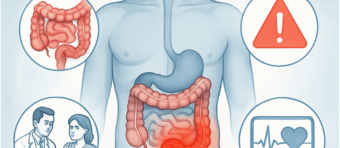
Occasional constipation? Totally normal. But if you’re getting severe stomach pain, blood in your stool, losing weight for no reason, or you’ve been constipated for over two weeks (these are signs you shouldn’t ignore).
Your body sometimes uses constipation as a signal for deeper issues, like thyroid problems or colon trouble. If you shrug these off, things can get complicated fast.
Let’s break down how to spot the difference between garden-variety constipation and those warning signs you really don’t want to miss.
What Is Constipation and How Does It Affect Health?
Constipation is when your bowel movements slow down or become tough to pass. It’s not rare, and it can be a short-lived problem or a stubborn one that messes with daily life.
Constipation vs Normal Bowel Habits
If you’re having fewer than three bowel movements a week, doctors call that constipation.
But honestly, “normal” is different for everyone—some people go three times a day, others just a few times a week.
It’s not just about how often you go, though. Hard, dry stools that hurt to pass, or that feeling like you still need to go after you’re done, are also signs.
When waste sits too long in your colon, your body pulls out more water, making it even harder to pass. That’s when things get uncomfortable.
Women, older folks, and pregnant women seem to get hit with constipation more often.
Types of Constipation: Acute vs Chronic
Acute constipation usually goes away once you fix what’s causing it. Chronic constipation, though, can cause bigger problems like hemorrhoids or even blockages if you let it drag on.
| Type | Duration | Causes |
|---|---|---|
| Acute Constipation | Short-term (days to weeks) | Poor diet, dehydration, travel, stress, temporary medication use |
| Chronic Constipation | Long-term (3+ months) | Ongoing health conditions, regular medication side effects, digestive disorders |
4 Warning Signs That Constipation May Signal a Serious Health Issue
Usually, constipation gets better if you drink more water or eat more fiber. But sometimes, it’s a clue that something bigger is going on inside.
1. Unexplained Weight Loss and Fatigue
Dropping weight when you’re not even trying? That, coupled with constipation, is not normal. It often means your body isn’t absorbing nutrients correctly.
This combination can be a red flag for underlying issues such as:
- Thyroid issues (Hypothyroidism)
- Celiac disease (Gluten intolerance)
- Colorectal cancer
The Fatigue Factor: If you are also feeling tired all the time, your digestive system might be struggling in ways you can’t see on the surface.
Rule of Thumb: If you lose more than 5% of your body weight in six months without changing your diet or exercise routine, don’t brush it off—especially if constipation is tagging along.
2. Blood in Stool or Rectal Bleeding
No one likes to see blood in the toilet, and you shouldn’t ignore it.
Bright red blood could be from hemorrhoids or tiny tears, which hurt but usually aren’t dangerous.
But if your stool turns dark red or black and tarry, that’s more serious. It could mean bleeding higher up in your gut, maybe from an ulcer or even cancer.
When to Act Fast: Even if it looks minor, get it checked. If the bleeding persists, or if you feel dizzy and super tired along with it, see a doctor ASAP. Don’t just assume it’s piles without ruling out bigger issues.
3. Persistent Abdominal Pain and Severe Bloating
Some stomach discomfort with constipation is standard, but you need to know the difference between “uncomfortable” and “dangerous.”
Watch out for these specific types of pain:
- Sharp or Constant Pain: Could signal diverticulitis (inflamed pouches in your colon), appendicitis, or an obstruction.
- Rock-Hard Belly: If your stomach swells up, feels hard to the touch, and nothing relieves the pressure, it’s a major warning sign.
- Pain + Fever: If you have tenderness or pain that moves around, accompanied by a fever, get medical help immediately.
These symptoms often mean things are getting serious fast, potentially indicating a blockage.
4. Nausea, Vomiting, or Sudden Changes in Bowel Habits
The Vomiting Warning: Throwing up while you are constipated is a massive red flag. Vomiting plus constipation usually means something is blocking your intestines, and that is a medical emergency.
Sudden Bathroom Changes: Pay close attention if your habits flip overnight:
- The Switch: Going from regular to super constipated, or alternating between constipation and diarrhea (a common sign of IBS or Colon Cancer).
- The Shape: Stools that become pencil-thin for more than a week.
- The Look: Stools that turn significantly darker or change color oddly.
Bottom Line: If these changes stick around for more than two weeks, it is time to get checked out.
When to Seek Medical Attention for Constipation
Most of the time, you can handle constipation at home. But some symptoms are your body’s way of saying, “Enough—call the doctor!”
1. Red Flags: When You Should See a Doctor
Book an appointment if you notice:
- Duration: Constipation lasting more than two weeks, even after trying home remedies.
- Blood: Any sign of blood in your stool (bright red or dark/tarry).
- Severe Pain: Sharp stomach pain accompanying constipation could signal a blockage.
- Weight Loss: Unexplained weight loss combined with constipation might indicate IBD or other gut issues.
- Nausea/Vomiting: Constant nausea or throwing up is a red alert—seek help fast.
- Drastic Changes: Flipping between constipation and diarrhea suggests a need for a professional checkup.
2. Complications Like Hemorrhoids and Fecal Impaction
Straining too hard or waiting too long can lead to physical damage. Here are three common complications:
(a) Hemorrhoids (Piles)
Straining puts immense pressure on the veins around your anus. This causes them to swell, leading to pain, itching, and bleeding.
(b) Anal Fissures
Hard stools and straining can cause tiny tears (fissures) in the anal lining. These make going to the bathroom extremely painful and can cause bleeding.
(c) Fecal Impaction
This happens when hard stool gets stuck and forms a blockage you simply cannot pass.
- Sign: You feel the urge to go but nothing happens, or liquid stool leaks around the hard blockage.
- Action: This usually requires a doctor’s help to remove safely.
3. Advanced Testing: Colonoscopy and Other Diagnostics
If your constipation won’t quit, or you’ve got worrying symptoms, your doctor might suggest a colonoscopy. Here are some tests that can be conducted by a doctor based on your condition:
| Diagnostic Test | What It Does |
|---|---|
| Colonoscopy | Uses a thin tube with a camera to check the colon for polyps, swelling, or abnormalities. |
| Blood Tests | Checks for underlying causes like thyroid problems (hypothyroidism) or diabetes. |
| X-ray / CT Scan | Looks for physical blockages or structural issues in the intestines. |
| Anorectal Manometry | Measures how well your muscles work during a bowel movement to spot coordination problems. |
3 Underlying Conditions That Can Cause Chronic Constipation
If constipation sticks around for weeks or months, it might be more than just a diet issue. Sometimes, it’s a sign of a bigger health problem messing with your gut.
1. Colorectal Cancer and Digestive Disorders
Colorectal Cancer: This is the most serious concern. Cancer can physically block your intestines, making it hard to defecate.
Red Flag: If you notice sudden changes in bowel habits or blood in your stool, don’t wait—see your doctor immediately.
Other Gut Issues Aside from cancer, structural or inflammatory issues can slow things down:
- Inflammatory Bowel Disease (IBD): Causes chronic swelling that messes with digestion.
- Strictures: These are “narrowed spots” in your intestines that make it tough for stool to pass.
- Rectocele: A condition (common in women) where the wall between the rectum and vagina weakens, causing trapping of stool.
- Tumors: Even non-cancerous growths can cause physical blockages.
2. Metabolic Disorders Like Diabetes and Hypothyroidism
Your metabolism has a say in almost everything, including how your gut behaves.
Around 60% of people with long-term diabetes end up dealing with constipation.
When your blood sugar stays high for too long, it can actually hurt the nerves in your gut. Some diabetes medicines slow down how quickly food moves through your intestines, which doesn’t help either.
With hypothyroidism, your thyroid gland just chills out, and so does your digestion. Your body needs those thyroid hormones to keep things moving at the right pace.
The Mineral Balance: Small chemical imbalances can also throw off your digestive muscles:
- Low Magnesium
- Too much Calcium
- Not enough Potassium
3. Irritable Bowel Syndrome and IBS-C
IBS is super common in India and often messes with how your digestive system works. More than one-third of people with IBS get the constipated version, called IBS-C.
What Happens in IBS-C?
- Lazy Intestines: Your gut doesn’t contract fast enough, making stool hard and tough to pass.
- The “Swing”: Patients often alternate between constipation and diarrhea.
- Symptoms: Bloating and stomach pain usually accompany the constipation.
IBS-C isn’t like other constipation problems. It’s more about how your gut moves and acts, not just what you eat. Your doctor can help you manage with some diet tweaks, medicines, and lifestyle changes that fit your symptoms.
Lifestyle Factors That Can Worsen or Prevent Constipation
Your daily habits seriously affect whether you’re stuck with constipation or things run smoothly. The bright side? Small changes actually help.
What Makes Constipation Worse:
- Not drinking enough water: Dehydration makes your stools hard and tough to pass.
- Sitting too much: A lazy lifestyle slows down your digestion big time.
- Skipping meals or eating poorly: Not enough fiber means your system gets clogged up.
- Ignoring the urge to go: Holding it in just teaches your body to ignore those signals.
- Too much caffeine: It can dry you out and make things worse.
What Helps Prevent Constipation:
- Increase fiber intake: Try for 25-35 grams a day from whole grains, dals, and flaxseeds.
- Stay hydrated: Eight glasses of water a day really helps keep things soft.
- Get moving: Even a short walk speeds up your digestion.
- Eat more fruits and vegetables: They give you both fiber and water.
- Don’t wait: Go to the loo when you feel the urge. Simple, but important.
Honestly, mixing enough fiber, water, and some movement works better than just doing one thing. Maybe start by adding a bowl of oats to your breakfast or taking a walk after dinner.
If you’re upping your fiber, go slow. Give your body a week or two to adjust, and drink extra water to help it along.
Treatment Options for Constipation and Healthy Bowel Habits
Managing constipation usually means mixing up some medicines, lifestyle tweaks, and knowing when it’s time to call your doctor. Building a routine and understanding what’s safe can really make life easier.
1. Safe Use of Laxatives and Medications
Laxatives aren’t one-size-fits-all. Here is a quick guide to what they do and when to use them:
| Type of Laxative | How It Works | Best For / Safety Note |
|---|---|---|
| Bulk-Forming (e.g., Psyllium/Isabgol) | Adds fiber to your stool to help it move. | Safest for daily use. Start here. |
| Osmotic | Pulls water into your intestines to soften the stool. | Good for softening hard stools. |
| Stool Softeners | Adds moisture to stool that is too dry. | Helpful if straining is painful (e.g., after surgery). |
| Stimulant | Irritates the lining to force a contraction. | Short-term only. Don’t use long-term or your gut may become dependent. |
Building a Bowel Routine for Long-Term Relief
You can actually “train” your gut to work like clockwork.
The Golden Rules:
- Time it Right: Try sitting on the toilet at the same time every day, especially after meals when your gut is naturally most active.
- Don’t Ignore the Call: Holding it in teaches your body to ignore the signals, making constipation worse. When you feel the urge, go immediately.
- Relax: Give yourself time. Don’t rush or strain.
Your food choices matter a lot. Eat more high-fiber stuff like:
- Fruits (prunes, apples, berries)
- Vegetables (palak, broccoli, carrots)
- Whole grains (oats, brown rice, atta bread)
- Beans and lentils
Drink water throughout the day, aim for at least 8 glasses. Get moving, too. Even a short 20-minute stroll can help your digestion.
When Home Remedies Aren’t Enough
If you have tried diet changes and over-the-counter laxatives for more than three weeks with no luck, you need professional help.
Medical Treatments Your Doctor May Suggest:
- Prescription Meds: Stronger options like lubiprostone, linaclotide, or prucalopride work differently than standard laxatives.
- Diagnostics:
- Colonoscopy: To check for physical issues.
- Pelvic Floor Tests: If muscle coordination is the problem, Pelvic Floor Physiotherapy can be a game-changer.
- Surgery: This is rare, but may be considered for really stubborn cases or if there is a physical blockage that cannot be fixed otherwise.
Frequently Asked Questions
- What’s up with going days without a bowel movement – should I worry?
Going a few days can be normal. However, if it’s been more than three days and you feel uncomfortable, take note. Chronic delays can be linked to thyroid issues or diabetes. If you feel sick or completely blocked, see a doctor immediately—it could be fecal impaction. - Hey, if my stomach’s in pain and I’m constipated, does that mean something’s seriously off?
Mild cramping is common, but sharp or constant pain isn’t. It could signal a blockage or inflammation. If the pain comes with fever, vomiting, or blood, don’t wait—see a doctor immediately. Also, alternating between constipation and diarrhea might point to IBS. - Is it a red flag if laxatives are my new best friend and I still can’t go to the bathroom?
Yes, relying on them is risky. Overuse can make your bowels lazy and dependent. If laxatives stop working entirely, it might signal nerve damage, severe thyroid issues, or a blockage. Instead of increasing the dose, see a doctor to identify the root cause. - So, what could it mean if I’m losing weight without trying and struggling with constipation?
Losing weight without trying is a major red flag. It isn’t just “bloating”—it often signals deeper issues like thyroid problems, IBD, or colorectal cancer. If you’ve lost more than 5% of your body weight unexplainedly, book a doctor’s appointment for testing right away. - When my poo’s looking strange and I’m constipated, is that a hint to see a doctor or what?
Yes, bright red blood suggests hemorrhoids, while dark, tarry stools can mean internal bleeding. Consistent “pencil-thin” stools might indicate a blockage or growth. Even mucus is a warning sign for infection or IBD. Any strange, persistent changes need a professional opinion.

