




Every year on December 12, the world marks Universal Health Coverage Day. It’s a reminder of a promise made by global leaders back in 2015.
Here’s a hard truth: In 2021, about 4.5 billion people didn’t get all the health services they needed. Around 2 billion folks struggled to pay for healthcare. The whole idea of universal health coverage (UHC) really took off when countries said, “Let’s make this a health priority by 2030.”
Universal health coverage means you get the care you need without emptying your wallet. Need a checkup? Got a chronic illness? The aim is to make sure money isn’t the reason you skip treatment.
This covers everything such as prevention, treatment, and recovery. It’s a big deal, especially in a country like India, where medical costs can make or break a family’s savings.
Understanding UHC helps you see how big decisions affect your local hospital or clinic. It impacts what you pay, how you access doctors, and even your family’s financial safety net.
What Universal Health Coverage Means for Patients
UHC gives you medical access without the fear of going broke. It protects your right to quality care, no matter your income, where you live, or your health status.
Universal Health Coverage (UHC) and its Key Principles
UHC means you get the full set of health services you need, without facing financial disaster. That includes prevention, treatment, rehab, and even end-of-life care.
Let’s break it down:
- Access: You get services when and where you need them.
- Quality: The care meets proper standards.
- Financial Protection: No huge bills that wipe out your savings.
Coverage isn’t just for emergencies. It’s there from childhood vaccines to care in your golden years. Most services come through primary health care centres near your home.
The idea is simple: Get care based on your health needs, not your wallet. That’s especially key in India, where rural and vulnerable groups still struggle to get basic services.
Core Pillars of Coverage of UHC
UHC stands on two big pillars:
- Service Coverage: Access to essential services—prevention, treatment, rehab, palliative care.
- Financial Protection: No one should have to sell their home or take a loan for medical bills.
Health insurance or public health systems should cover you. The goal? See a doctor, get medicines, or even hospital care without worrying about bankruptcy.
How Universal Health Coverage Impacts Your Access to Care
For a country like India, where medical bills push millions into poverty every year, UHC is a game-changer. Here is exactly how UHC impacts your daily life and your access to hospitals.
1. Financial Protection: No More “Breaking the Bank”
The biggest barrier to healthcare in India is cost. UHC aims to remove the fear of “How will I pay for this?”
- Cashless Treatment: Under schemes like Ayushman Bharat (PM-JAY), eligible families get cashless treatment up to ₹5 Lakhs per year. This means you don’t have to sell assets or borrow money for surgeries.
- Reduced Out-of-Pocket Expenditure: Before UHC, you paid for everything. Now, government insurance and subsidized schemes cover major hospital bills, significantly lowering your personal burden.
- Protection from Debt: It acts as a safety net, ensuring a sudden heart attack or accident doesn’t lead to generational debt.
2. Access to Affordable Medicines
Medicines often make up 60-70% of a patient’s total medical bill in India. UHC tackles this directly.
- Jan Aushadhi Kendras: UHC promotes the use of generic medicines, which are just as effective as branded ones but cost 50-90% less.
- Essential Drug Lists: Hospitals are mandated to keep life-saving drugs in stock, preventing you from running to private chemists in an emergency.
- Price Capping: The government regulates the prices of essential medical devices (like stents and knee implants) to ensure they remain affordable for the common man.
3. Focus on Prevention: Health & Wellness Centers
UHC isn’t just about treating you when you are sick; it’s about keeping you healthy so you don’t get sick.
- Free Screenings: Local Health and Wellness Centers (HWCs) now offer free screenings for diabetes, hypertension, and oral cancer.
- Vaccination Drives: Programs like Mission Indradhanush ensure your children are protected against deadly diseases for free.
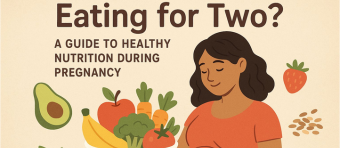
- Maternal Care: Free checkups and nutritional support for pregnant women ensure healthy mothers and healthy babies.
4. Old Scenario vs. UHC Scenario: What Changed?
Here is a quick comparison to show the shift in Indian healthcare.
| Feature | Old Scenario (Without UHC) | UHC Scenario (With Schemes like PM-JAY) |
|---|---|---|
| Hospital Access | Limited to government hospitals (often crowded) or expensive private ones. | Access to empaneled private hospitals with cashless facilities. |
| Emergency Care | High risk of denial if you couldn’t pay upfront. | Emergency stabilization is becoming a mandatory right. |
| Medicine Cost | You paid full MRP for expensive brands. | Access to Generic Medicines at fraction of the cost. |
| Focus | “Sick Care” (treating illness). | “Health Care” (preventing illness). |
5. Types of UHC Services
UHC covers a full range of services. Here’s what you get:
- Primary care: For everyday stuff—checkups, fevers, minor injuries.
- Reproductive, maternal, newborn, and child health: Care during pregnancy, delivery, and early childhood.
- Mental health: Yes, your emotional well-being matters too.
- Health promotion and disease prevention
- Treatment for illnesses and injuries
- Rehabilitation for recovery
- Palliative care for serious illnesses
- Access to essential medicines
For kids, UHC means free vaccines—though sadly, 25 million children under 5 missed theirs during the pandemic. Emergency care and critical surgeries are also included.
6. Quality and Standardization of Care
Access is useless if the quality is poor. UHC impacts the kind of care you receive.
- Standard Treatment Guidelines: Doctors are encouraged to follow standard protocols, reducing unnecessary tests and surgeries.
- Accountability: Hospitals under UHC schemes are monitored. If they charge you extra or deny treatment, you have a formal grievance redressal mechanism to complain.
- Digital Health IDs (ABHA Card): Your medical records are digitized. You no longer have to carry heavy files of reports from one doctor to another; your history travels with you.
7. What This Means for You: A Patient Checklist
On this Universal Health Coverage Day, make sure you are utilizing the benefits available to you:
- Check Eligibility: Are you covered under Ayushman Bharat or your state insurance scheme? Check online or at a nearby CSC center.
- Create an ABHA ID: Generate your Ayushman Bharat Health Account ID to store your digital health records safely.
- Know Your Nearest Center: Locate your nearest Pradhan Mantri Jan Aushadhi Kendra for affordable medicines.
- Get Screened: If you are over 30, visit your local Health & Wellness Center for a free BP and Sugar checkup.
Challenges and the Future of Universal Health Coverage for Patients
While government schemes like Ayushman Bharat are excellent for the economically weaker sections, they have income caps. If you earn above that limit, Universal Health Coverage starts with the policy you buy for yourself.
1. The “Missing Middle” Challenge
The biggest gap in India’s journey to UHC is the middle class.
The Problem: You earn too much to qualify for free government aid (Ayushman Bharat) but perhaps not enough to effortlessly pay a ₹10 Lakh hospital bill.
The Risk: Without private insurance, a single medical emergency can wipe out years of savings. This is where the concept of UHC shifts from “State-Funded” to “Self-Secured.”
2. Private Health Insurance: The Pillar You Can’t Ignore
To achieve true health security, you need to layer your protection. Private insurers are now offering features that fill the gaps left by standard policies.
Don’t just buy a basic policy. Structure it smartly to save money while getting maximum coverage:
A. Base Indemnity Plan (The Foundation):
- What it is: Your standard policy that pays hospital bills.
- Recommended Cover: In metro cities, aim for at least ₹10 Lakhs due to rising medical inflation (which is around 14% in India).
B. Super Top-Up Plans (The Cost-Saver):
- Why you need it: Instead of buying a massive ₹50 Lakh base policy (which is expensive), buy a ₹10 Lakh base policy and a ₹40 Lakh Super Top-Up.
- Benefit: It activates once your base cover is exhausted. It’s significantly cheaper—often costing just ₹2,000–₹3,000 extra per year for massive coverage.
C. Critical Illness Riders:
- Why you need it: Standard insurance pays the hospital. A Critical Illness plan pays YOU.
- Benefit: If diagnosed with cancer or heart failure, you get a lump sum cash payout. This covers lost income, travel, and lifestyle changes that hospital bills don’t cover.
3. The Shift to “OPD Cover”: A Game Changer
Historically, insurance only paid if you were hospitalized for 24 hours. But UHC is about all health expenses.
The New Trend: Modern private plans now cover Out-Patient Department (OPD) expenses.
Why it matters: It covers doctor consultations, pharmacy bills, and diagnostics (MRI/CT Scans) even when you aren’t admitted. This drastically reduces your daily out-of-pocket spend.
4. Checklist: What to Look for Before Buying
If you are buying private insurance today to secure your future, check for these specific clauses:
| Feature | What to Check | Why It Matters |
|---|---|---|
| Room Rent Capping | Ensure there is “No Sub-limit” on room rent. | If your policy caps room rent, the hospital will proportionately deduct all other charges (doctor fee, nursing), leaving you with a huge bill. |
| Restoration Benefit | Look for 100% Restoration. | If you use up your ₹5 Lakhs in one illness, the company refills it instantly for the next unrelated illness in the same year. |
| Waiting Periods | Look for 2 years or less for pre-existing diseases. | Some older plans make you wait 4 years before covering diabetes or BP. Newer plans cover them sooner. |
| No Claim Bonus (NCB) | Check for “Super NCB”. | Good plans double your sum insured (e.g., 5L becomes 10L) claim-free in just 1-2 years, shielding you against inflation. |
5. The Future: “Cashless Everywhere”
A massive development in 2024–25 is the IRDAI’s “Cashless Everywhere” initiative.
The Future: Previously, you could only get cashless treatment at “Network Hospitals.”
The Change: Now, you can technically get cashless treatment at any hospital, even if they aren’t in your insurer’s network (provided you inform the insurer 48 hours in advance).
Impact: This gives patients in smaller towns access to private healthcare without needing to arrange cash upfront.
6. Wellness Incentives
Insurers are moving from “paying claims” to “preventing claims.”
Wearables & Points: Many insurers now track your steps or gym activity via apps.
The Reward: Hitting fitness goals can earn you renewal discounts (up to 30-100% of premium in points) or free vouchers. This aligns perfectly with the goal of Universal Health—keeping you healthy, not just treating the sick.
General FAQs
-
How can universal health coverage improve my access to medical care?
UHC removes financial barriers, ensuring you can get check-ups, treatment, and follow-ups without the stress of a huge bill. It aims to reach everyone—even in remote villages—providing essential medicines and technology. Your income or job status won’t hold you back; because the system is collective, you get the care you need, when you need it. -
What out-of-pocket expenses should I expect under universal health coverage?
The goal is to drastically reduce direct payments so illness doesn’t cause financial ruin. Instead of paying for each visit, the system relies on prepaid funds like taxes or insurance. While some clinics might charge small fees, expanding UHC means your personal costs drop significantly as more services are covered by the state. -
In what ways does universal health coverage ensure the quality of health services?
Access means nothing without quality. UHC demands people-centered care delivered by trained, motivated staff. It ensures you receive the right medicines, modern technology, and evidence-based treatments—not guesswork. Governments track health outcomes to guarantee that everyone, regardless of where they live, receives equally high standards of care. -
What types of medical services and treatments are covered by universal health coverage?
UHC typically covers a full spectrum of care, from prevention (vaccinations) to rehabilitation. This includes maternal care, treatment for chronic diseases, and mental health support. While specific packages vary by country resources, most start with essentials and expand to include palliative care, ensuring support at every life stage without financial hardship. -
How does universal health coverage impact wait times for health services?
UHC aims for timely access, though wait times depend on the strength of your local system. Preventive services usually have shorter waits, and emergency care is prioritized for immediate attention. While bottlenecks can happen if there is a shortage of doctors, health systems constantly monitor and adjust to prevent long delays.

