




Chest pain has many causes, and most of them are not a heart attack. The problem is that you cannot tell the difference from your couch. If your chest pain lasts more than five minutes, feels like pressure or squeezing, or comes with shortness of breath, sweating, nausea, or pain spreading to your arm, jaw, or back, treat it as a heart attack and call 108 right away. That single rule protects your cardiovascular health better than any home test.
A heart attack happens when blood flow to part of the heart muscle gets blocked. Every minute without that blood flow means more heart muscle dies. Doctors in the emergency department can restore flow, but only if you arrive in time.
The reassuring part: muscle strain, acid reflux, and anxiety also cause real chest pain, and emergency care teams see those cases every day without judgment. You will learn which signs demand a 108 call, which point to other problems, and what the tests in an emergency room actually check for.
When to Call 108 for Immediate Help for Chest Pain
Call in an emergency, if chest pain or pressure lasts at least five minutes, or if it goes away and comes back. Do not wait to see if it passes.
Chest discomfort with any of these signs means you need emergency services now:
- Shortness of breath, even while sitting still
- Cold sweat or profuse sweating
- Dizziness, lightheadedness, or feeling faint
- Nausea or vomiting
- Sudden weakness with no clear cause
- Palpitations or an irregular heartbeat
- Pain spreading to the jaw, neck, shoulder, arm, back, or upper belly
Call 108 or 102 instead of driving yourself if possible. People do go into cardiac arrest on the way to the hospital during self-transport, and a paramedic crew can start treatment in your driveway. Ambulance teams also record an ECG before you reach the door, which speeds up your care in the emergency room.
One more thing that matters at the door: never drive someone else who has these symptoms unless an ambulance truly cannot reach you.
If you are unsure, still call. Emergency staff would rather tell you it was indigestion than treat a heart attack an hour too late.
Women, older adults, and people with diabetes sometimes have heart attacks without classic crushing pain. Sudden breathlessness, extreme tiredness, or plain nausea can be the main clue.
What Heart Attack Symptoms Can Feel Like
Heart attack symptoms feel more like pressure than a sharp stab. People describe tightness, squeezing, heaviness, fullness, or a weight sitting on the chest.
Mayo Clinic lists chest pain that feels like pressure, tightness, or aching, along with cold sweats, fatigue, heartburn or indigestion, nausea, lightheadedness, and shortness of breath. That mix explains why so many people blame their stomach.
Cardiac chest pain usually builds over minutes. It sits under the breastbone or slightly left, spreads outward, and does not change when you press on the spot or shift position.
The American Heart Association describes other warning signs of a heart attack beyond the chest, including discomfort in one or both arms, the neck, or the jaw.
Unusual fatigue deserves its own mention. Feeling wiped out from walking to the mailbox, days before any pain starts, is a real pattern in myocardial infarction, especially in women.
A silent heart attack causes little or no pain at all. It still causes heart muscle damage, and it often shows up later on an ECG during a routine visit. That is one reason blood pressure and cholesterol checkups pay off even when you feel fine.
Sharp pain that stabs for two seconds and vanishes is rarely a heart attack. Pain that hangs around for 15 minutes while sweating almost always needs an ambulance.
How Angina and Heart Attacks Differ
Angina is chest pain from a temporary drop in blood flow to the heart, and it stops when the demand on your heart drops. A heart attack keeps going because the artery stays blocked, and heart muscle starts to die.
Both come from coronary artery disease, where fatty plaque narrows the arteries feeding your heart. The difference is how long the shortage lasts.
| Stable Angina | Unstable Angina | Heart Attack | |
| Trigger | Physical exertion, emotional stress, cold air | Can start at rest | Can start at rest |
| Length | 2 to 10 minutes | Longer, unpredictable | 15 minutes or more |
| Rest or nitroglycerin helps | Yes | Little or no relief | No relief |
| Permanent heart muscle damage | No | Not yet | Yes |
| What to do | Call your cardiologist | Call Emergency 108 | Call Emergency 108 |
Stable angina follows a pattern you learn to predict. Climbing two flights of stairs brings it on; five minutes of sitting clears it.
Unstable angina breaks that pattern. Pain that arrives with less activity than before, lasts longer, or wakes you at night is a warning that a heart attack may be close.
Repeated damage from untreated heart disease weakens the pump and can lead to heart failure. Treating angina early protects that pumping strength.
If you have a nitroglycerin prescription and one dose does not help within five minutes, call the emergency helpline.
Other Serious and Non-Cardiac Causes of Chest Pain
Several non-heart causes of chest pain are still emergencies. A pulmonary embolism (a clot in the lung) brings sudden breathlessness and sharp pain that worsens with each breath. An aortic dissection causes tearing pain that rips toward the back. A collapsed lung makes one side hurt and leaves you gasping. All three need +91 96664 60009, if you’re in Sonipat.
Lung and lining problems cause chest pain too. Pneumonia adds fever and a cough; pleurisy and pericarditis both produce sharp pain that changes with breathing or lying flat.
Many other causes are uncomfortable and not dangerous:
- Costochondritis and muscle strain: tender to the touch, worse when you twist or press the area
- Shingles: burning pain in a band on one side, often before the rash appears
- Panic attacks and anxiety: racing heart, tingling hands, and a feeling of doom that peaks in about 10 minutes
- Acid reflux, GERD, and heartburn: burning behind the breastbone, worse after meals or when lying down, sometimes with a sour taste
- Indigestion, gallstones, and IBS: upper belly discomfort that can spread into the chest
Harvard Health notes that conditions other than the heart causing chest pain include GERD, gallstones, asthma, ulcers, esophagus spasms, and costochondritis.
Reflux and heart pain overlap so much that antacids fooling you is common. Relief from an antacid does not rule out a heart problem.
Persistent digestive chest pain deserves a proper workup. Our gastroenterology team can sort reflux from something else once your heart has been cleared.
What to Do While Waiting for Medical Help
Stay still and sit down as soon as you call emergency services. Standing or walking makes your heart work harder while it is already short on blood.
Steps that help in those minutes:
- Unlock your front door so paramedics can get in.
- Loosen tight clothing and sit upright, propped against a wall or headboard.
- Chew one adult aspirin (325 mg) or four low-dose 81 mg tablets, if you are not allergic and a clinician has not told you to avoid it. Chewing works faster than swallowing whole.
- Take your prescribed nitroglycerin exactly as directed, if you have it.
- Keep your phone beside you and stay on the line if the dispatcher asks.
Skip aspirin if you take anticoagulants or blood thinners, have a bleeding ulcer, or have been told to avoid it. Mayo Clinic’s guidance on first aid for chest pain advises getting emergency medical help right away for new or sudden chest pain.
Slow breathing exercises calm a panic attack, and they will not hurt while you wait for emergency care. They will not fix a blocked artery, so make the call first and breathe second.
If the person collapses and stops breathing normally, start chest compressions and keep the dispatcher on speaker.
Bring your medication list, or a photo of the bottles. It saves time in triage.
How Clinicians Evaluate Chest Pain and Heart Risk
An ECG and a troponin blood test are the first two steps, and together they answer most of the questions within an hour of arrival. Electrodes on your chest record the heart’s electrical signal, and the ECG often shows damage in progress.
Troponin levels measure a protein released when heart muscle is injured. Two draws a few hours apart show whether the number is rising, which separates a heart attack from stable readings.
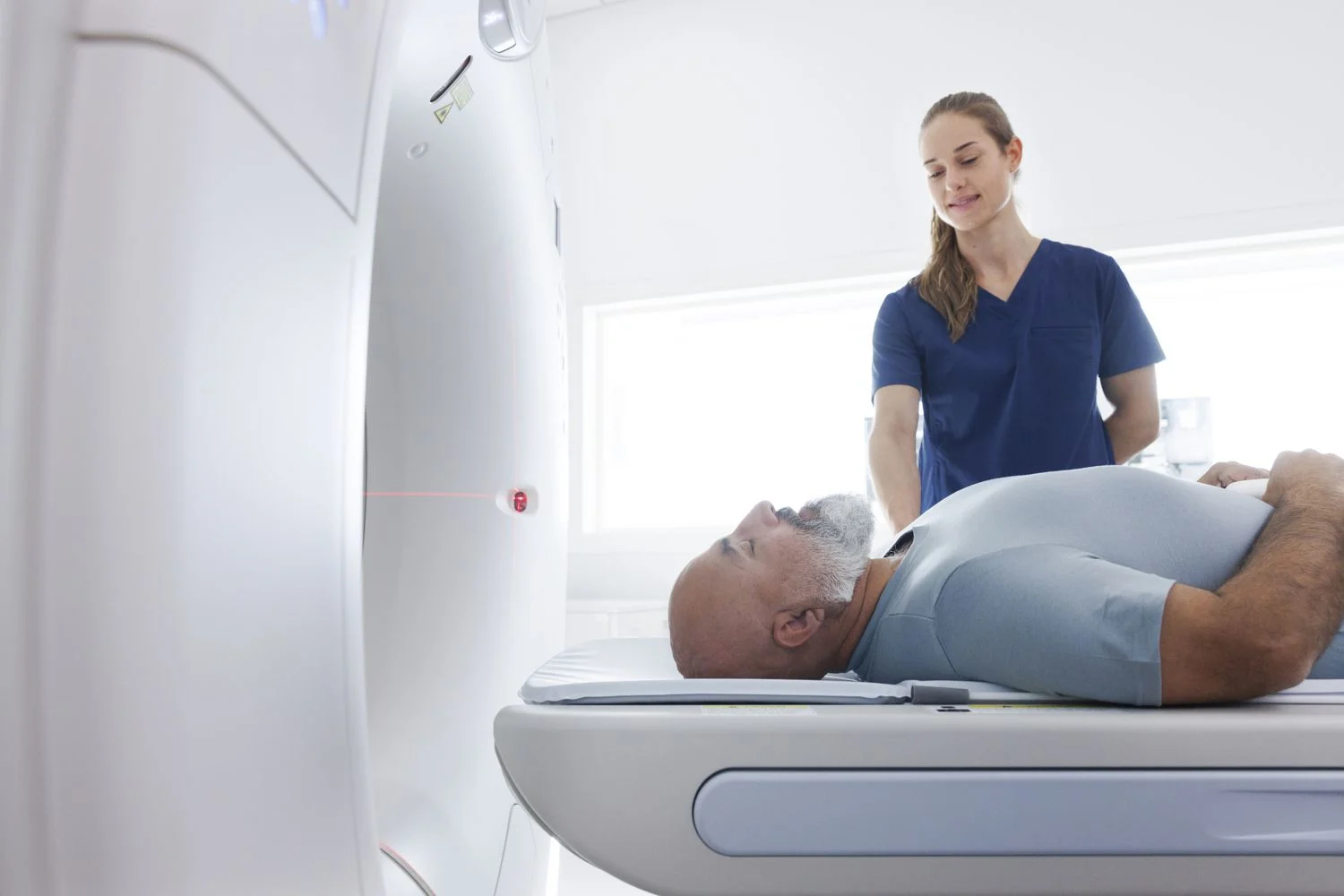
Imaging fills in the rest. A chest X-ray looks at the lungs and heart size, a CT scan rules out a clot or aortic tear, and an echocardiogram shows how well each chamber pumps. Our radiology and imaging services run these studies on site.
The 2021 chest pain guideline from the AHA and ACC gives clinicians algorithms to assess and diagnose chest pain in adults, including risk scores that combine your history with test results.
Your risk profile changes how aggressively doctors investigate. High blood pressure, diabetes, high cholesterol, smoking, and a family history of heart disease all raise the odds that chest pain is cardiac.
A cardiologist may add a stress test or angiogram after the emergency workup. If your first tests are clean but pain keeps returning, a follow-up with our doctors in internal medicine or cardiology is the next step.
Severe cases move straight to our complete ICU care unit for continuous monitoring.
Frequently Asked Questions
How long does heart attack chest pain last?
Heart attack pain usually lasts longer than 15 minutes and does not fully go away with rest. It can also come in waves, easing for a few minutes and returning stronger. Any chest pressure past the five-minute mark is your clue to call 108.
Can you have a heart attack without chest pain?
Yes. A silent heart attack causes little or no chest pain and shows up instead as shortness of breath, unusual fatigue, nausea, or jaw and back discomfort. This pattern is more common in women, older adults, and people with diabetes.
Does chest pain that hurts when I press on it mean it is not my heart?
Tenderness you can reproduce by pressing on one spot points toward costochondritis or a strained muscle. That sign lowers the odds of a cardiac cause without erasing them. If you also feel breathless, sweaty, or dizzy, get emergency care.
Should I take aspirin for chest pain?
Chew one 325 mg aspirin after calling 108, unless you are allergic, take anticoagulants, or a doctor has told you not to. Aspirin helps stop a clot from growing while you wait. It is never a substitute for the ambulance.
Can anxiety cause chest pain that feels like a heart attack?
Yes, panic attacks produce real chest tightness, a racing heart, and breathlessness that peak in about 10 minutes. The problem is that anxiety and cardiac pain feel similar at the moment. First-time chest pain should be checked medically before you attribute it to anxiety.
What tests will the emergency room run?
Expect an ECG within minutes of arrival, followed by troponin blood tests drawn at least twice. A chest X-ray, CT scan, or echocardiogram gets added based on what your symptoms and first results suggest.
Where can I get chest pain evaluated near Sonipat?
Primax Hospital runs a 24-hour emergency department with on-site cardiac testing, imaging, and ICU beds, serving patients across Sonipat, and the surrounding districts of Haryana. Walk in or call ahead, and the team will start your ECG on arrival.
For chest pain that keeps coming back, book a cardiac evaluation at Primax Hospital, Bahalgarh Road, Sector-4, Sonipat-131001, Haryana. Call +91 96664 60009.

