



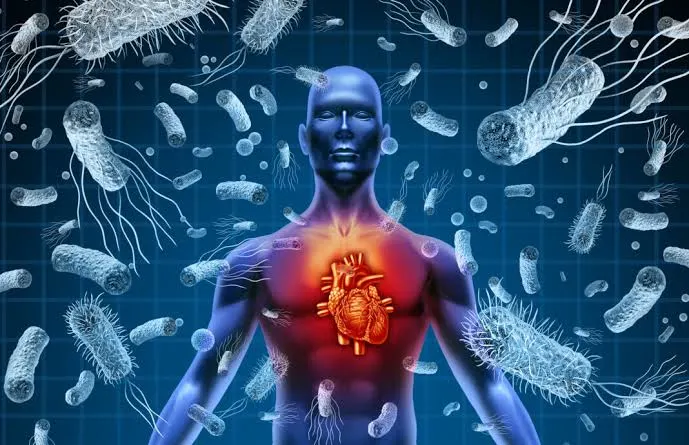
Sepsis is your body’s extreme and dangerous response to an infection. Your immune system, instead of fighting off the infection in one spot, sets off a chain reaction that can damage your organs and tissues.
It’s a life-threatening emergency. Every minute really does count.
If you or someone you love has a high fever, confusion, rapid breathing, or extreme pain along with a known or suspected infection, treat it like an emergency and seek medical care right away. Spotting sepsis early and moving fast can mean the difference between a full recovery and a devastating outcome.
Sepsis can develop from common infections—lungs, urinary tract, skin, gut, you name it. It doesn’t discriminate. People of all ages and backgrounds get it.
A lot of folks haven’t heard of sepsis or don’t know what to look for. The symptoms can mimic other illnesses, which makes awareness even more important.
This guide covers the warning signs, who’s most at risk, what to do in an emergency, and how you might lower your odds of ever facing it.
Why Fast Recognition Matters
How fast you spot and respond to sepsis really shapes the outcome. If you wait, the infection can spiral, raising the risk of septic shock, organ damage, and even death.
Knowing how sepsis develops—and why acting quickly matters—gives you a better shot at protecting yourself and the people you care about.
How Sepsis Develops From Infection
Sepsis starts with an infection. It could be a urinary tract infection, pneumonia, awound, or even an infected insect bite.
Your body detects the infection and sends out chemicals to fight it. In sepsis, that response goes haywire.
Instead of staying local, the immune response triggers inflammation all over your body. Blood vessels leak. Blood flow to vital organs drops.
Your body, trying to protect you, starts causing harm.
Most cases actually start outside the hospital. You might feel like you just have the flu or a bad cold. That’s what makes sepsis so sneaky—it hides behind symptoms you already know until things get serious.
When Sepsis Becomes Septic Shock
Septic shock is the most severe stage. Your blood pressure drops dangerously low and doesn’t respond to fluids.
At this point, your organs aren’t getting enough blood to work. The risk of death jumps sharply once septic shock sets in.
Even with aggressive treatment in an intensive care unit, survival becomes much harder. The shift from sepsis to septic shock can happen in just a few hours—sometimes even faster.
Waiting to “see how things go” can be a fatal mistake. Acting at the first sign of trouble gives doctors the window they need.
Why Delays Raise The Risk Of Organ Damage
Every hour without treatment raises the risk of permanent harm. Your kidneys, liver, lungs, and heart are all at risk.
Rapid treatment with antibiotics and fluids in those first hours saves lives. Delayed treatment can lead to organ failure, a cascade that’s tough to reverse.
Spot the signs early and get to emergency care—don’t hesitate.
Warning Signs To Watch For
Sepsis doesn’t always show up with one dramatic symptom. It usually comes as a mix of warning signs that might seem unrelated at first.
Fever, low blood pressure, a racing heart, and confusion are some of the most important clues. The more of these you notice together, the more urgently you need to act.
Fever, Chills, And Changes In Temperature
Fever is one of the most common early signs. You might feel hot, have shaking chills, or swing between feeling really hot and freezing cold.
Your temperature might spike above 101°F (38.3°C). Sometimes, especially in older adults or people withweakened immune systems, body temperature can actually drop below normal.
That’s just as concerning as a high fever. If other symptoms are there, don’t wait for the “classic” fever before getting help.
Low Blood Pressure, Rapid Breathing, And Fast Heart Rate
Low blood pressure is a big warning sign that sepsis is getting worse. You might feel dizzy, lightheaded, or faint.
Standing up might make the room spin. Your body tries to compensate—your heart rate speeds up, sometimes a lot, even when you’re at rest.
You might notice you’re breathing faster or feel short of breath without any real reason. These three signs together—low blood pressure, rapid breathing, and a fast heart rate—mean your body is under serious stress.
Don’t brush them off.
Confusion, Extreme Pain, And Other Emergency Clues
Sudden mental changes are a huge red flag. If you or someone else suddenly gets confused, disoriented, or very drowsy, the brain may not be getting enough oxygen.
Extreme pain or discomfort—patients often call it “the worst I’ve ever felt”—can come with sepsis. Other clues: clammy or sweaty skin, skin that looks mottled or discolored, or a weak pulse.
These are all signs of a medical emergency. Trust your gut. If something feels very wrong, it probably is.
How Signs May Differ In Children And Older Adults
Children, especially infants, might not show the same symptoms as adults. Watch for trouble breathing, extreme sleepiness, refusing to eat or drink, a rash that doesn’t fade when pressed, and fewer wet diapers than usual.
Older adults might not get a fever at all. Instead, they may get confused, unusually weak, or stop eating.
Because these changes can look like “normal aging,” they’re easy to miss. In both groups, a sudden decline is the biggest warning.
If a child or elderly person with an infection suddenly gets worse, call for emergency help right away.
Who Is At Higher Risk
Anyone can get sepsis, but some groups have a higher risk. Knowing if you or someone in your family is in one of these groups can help you stay alert.
A. Age, Pregnancy, And Weakened Immunity
Infants under one and adults over 65 face the greatest risk. Their immune systems are either just developing or naturally declining, making infections harder to fight.
Pregnant and recently postpartum people are also more vulnerable. Physical changes inpregnancy can hide early symptoms, which can delay recognition.
If you have something that weakens your immune system—like HIV, autoimmune disease, or you take immunosuppressive medication—infections can get out of control faster and are harder to fight off.
B. Chronic Illness, Recent Surgery, And Hospital Exposure
Living with a chronic illness like diabetes,kidney disease, lung disease, or cancer increases your risk. These conditions weaken your body’s defenses.
Recent surgery or a hospital stay is another big factor. Invasive procedures, catheters, and IV lines can introduce germs directly.
Nearly a quarter to a third of people who develop sepsis had a healthcare visit in the week before they were hospitalized. If you’ve just left the hospital or had a procedure, keep a close eye on any infection signs atsurgical sites or around medical devices.
C. Common Infections That Can Lead To Severe Illness
Not every infection leads to sepsis, but any infection can. The most common triggers:
- Pneumonia and other lung infections
- Urinary tract infections
- Skin infections, including infected wounds and cellulitis
- Abdominal infections, like appendicitis or gallbladder infections
Bacterial infections are the most frequent cause, but viral infections like the flu and fungal infections can do it too. Even a small cut or bug bite can be the starting point if it gets infected and isn’t treated right.
What To Do If You Suspect A Medical Emergency
If sepsis is a possibility, what you do in the first minutes and hours makes a huge difference. Knowing what to do, what to say, and why speed matters can save a life.
A. When To Seek Emergency Care Right Away
Don’t wait if you see a mix of warning signs in someone with an infection or who’s been sick recently. Call emergency services or head to the closest emergency department immediately.
Signs that mean you need emergency care: confusion, trouble breathing, a rapid heartbeat, extreme pain, clammy or discolored skin, or that gut feeling that something is really wrong.
If a baby or young child with an infection stops feeding, gets very sleepy, or has a rash that doesn’t fade, get help at once.
It’s always better to go to the ER and find out it’s not sepsis than to stay home while things get worse.
B. What To Tell A Clinician Or Emergency Team
When you arrive, tell the medical team you suspect sepsis. Say the word. Many families—even at places like IPIMS Hospital—have found that saying “I think this could be sepsis” speeds things up.
Share the basics:
- What infection is present or was recently treated
- When symptoms started and how fast they got worse
- Any recent hospitalizations, surgeries, or medical procedures
- Current medications, especially antibiotics or immune-suppressing drugs
- Any chronic conditions like diabetes, cancer, or kidney disease
Details help the team prioritize testing and treatment.
C. Why Early Testing And Antibiotics May Be Needed
Once sepsis is suspected, clinicians usually start testing and treatment at the same time. They don’t wait for test results before starting antibiotics, because every hour of delay increases the risk of organ damage.
You can expect blood draws to check infection markers, blood cultures to find the germ, and maybe imaging tests to look for the infection source. IV fluids usually start right away to support blood pressure and organ function.
Rapid antibiotic treatment in the first hours of sepsis has been shown to improve survival.
How It Is Diagnosed And Treated
Diagnosing and treating sepsis takes a coordinated medical effort. There isn’t a single test that confirms sepsis by itself.
Clinicians rely on a mix of physical exams, lab results, and close monitoring.
A. Exams, Monitoring, And Infection Testing
Your medical team checks your vital signs frequently—fever, low blood pressure, rapid heart rate, and trouble breathing. These are often the first clues.
Lab tests matter a lot. Blood cultures help find if bacteria, fungi, or other pathogens are causing the infection. Otherblood tests look at organ function—kidneys, liver, blood clotting, and inflammation markers.
Urine tests, wound cultures, or imaging like X-rays and CT scans might be used to find the infection source.
B. Antibiotics, Fluids, And Supportive Hospital Care
Treatment starts as soon as sepsis is suspected. IV antibiotics fight a wide range of possible germs. Once they know the exact cause, your antibiotics might change.
IV fluids help keep blood pressure up and blood flowing to your organs. If fluids aren’t enough, doctors may use medications called vasopressors to raise blood pressure.
In severe cases, you might need oxygen, mechanical ventilation, or even dialysis if your kidneys are affected. Treatment happens in a hospital, often in an intensive care unit with close monitoring.
C. Why Ongoing Reassessment Is Important
Sepsis doesn’t always follow a predictable path. You can get better quickly or worsen even with treatment.
Your team will keep checking your vital signs, repeating lab tests, and seeing if the antibiotics are working. If the infection isn’t responding, surgery might be needed to drain an abscess or remove damaged tissue.
Recovery from sepsis can take weeks or months. Some people have lasting physical or mental effects. Follow-up care after leaving the hospital is a big part of the process.
Reducing Risk Through Prevention And Education
A lot of sepsis cases can be prevented. By avoiding infections, practicing good habits, staying informed, and being aware ofantimicrobial resistance, you can lower your risk.
A. Prevent Infections With Hygiene, Wound Care, And Vaccines
The simplest way to cut your sepsis risk? Prevent infections in the first place.
Wash your hands often with soap and water—before eating, after using the bathroom, after touching public surfaces. It’s basic, but it works.
Take care of wounds right away. Clean cuts, scrapes, and burns, use antiseptic, and keep them covered until healed. Watch for infection signs—redness, swelling, warmth, or pus.
Stay up to date on vaccines. Shots for flu, pneumonia, and other common infections lower your chances of getting the infections that most often lead to sepsis.
B. Why Infection Prevention Matters At Home And In Healthcare
Infection prevention isn’t just something for hospitals to worry about. Most sepsis cases actually start out in the community—at home, work, or just during daily life.
Simple habits like not sharing personal items and keeping your living space clean really do help. If you manage chronic conditions, you’re already lowering your risk.
Inhealthcare settings, infection prevention protocols matter even more. If you or a loved one lands in the hospital, don’t be shy about asking staff if they’ve washed their hands.
Keep an eye on wounds or surgical sites and speak up if anything looks off. Sometimes, noticing a small change early can make all the difference.
Frequently Asked Questions
What are the early warning signs of a severe infection becoming life-threatening?
Look for a mix of fever or an unusually low temperature, a really fast heartbeat, and quick breathing. If you just feel that something isn’t right, trust your gut.
Confusion, feeling wiped out, or severe pain along with an infection? Those are big red flags. If several of these show up together, don’t wait—get help right away.
When should fever, chills, or confusion prompt an emergency evaluation?
A fever with chills that won’t quit, especially if there’s a known infection or recent surgery, needs urgent attention. If someone who was thinking clearly suddenly gets confused, that’s a huge warning sign.
If you see sudden mental changes with a fever, it’s time for the emergency department. Don’t try to wait it out.
How can changes in breathing, heart rate, or blood pressure signal a medical emergency?
When breathing speeds up, the heart races, or blood pressure drops, your body is struggling. These changes mean infection could be causing a full-body reaction. If they happen together, it’s a sign your body’s under serious stress. That’s not something to ignore, emergency care is needed.
Who is at the highest risk for serious infection complications, and why?
Infants, people over 65, pregnant folks, and anyone with chronic illnesses like diabetes, cancer, or kidney disease face higher risks. Those with weakened immune systems or who’ve just been in the hospital are especially vulnerable.
Their bodies just can’t fight off infection as well, so things can spiral quickly.
What symptoms in children and infants require urgent medical attention for infection?
In babies, watch for trouble breathing, extreme sleepiness, refusing to eat, fewer wet diapers, or a rash that doesn’t fade when pressed. Older kids might breathe fast, get confused, or have skin that looks mottled or bluish. Any sudden worsening in a sick child means it’s time to get emergency help, no hesitation.

